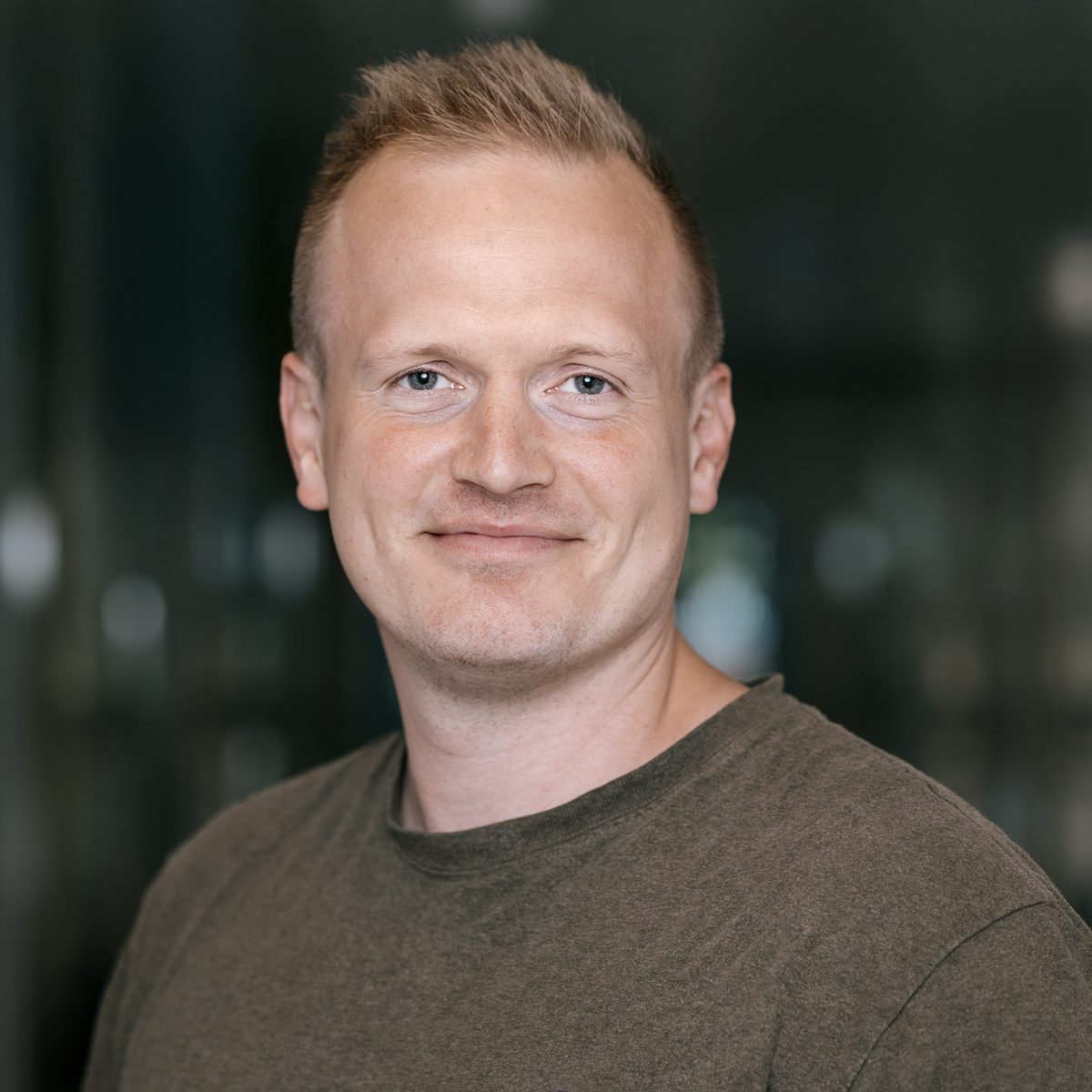
Espen D. Bøjesen
Principal Investigator
I am a materials scientist exploring the structure–property relationships of materials at the edge of order and disorder. After completing my PhD in Chemistry at Aarhus University in 2015, I expanded my expertise from X-ray scattering and nanoparticle synthesis to advanced electron microscopy during a three-year postdoctoral stay at the Monash Centre for Electron Microscopy, supported by a Villum Foundation fellowship.
In 2019, I returned to Aarhus on a Carlsberg reintegration fellowship, and since 2021, I have led my own research group at iNANO, Aarhus University. My work challenges classical theories of nanoparticle nucleation and growth and develops new electron microscopy methodologies for complex materials.

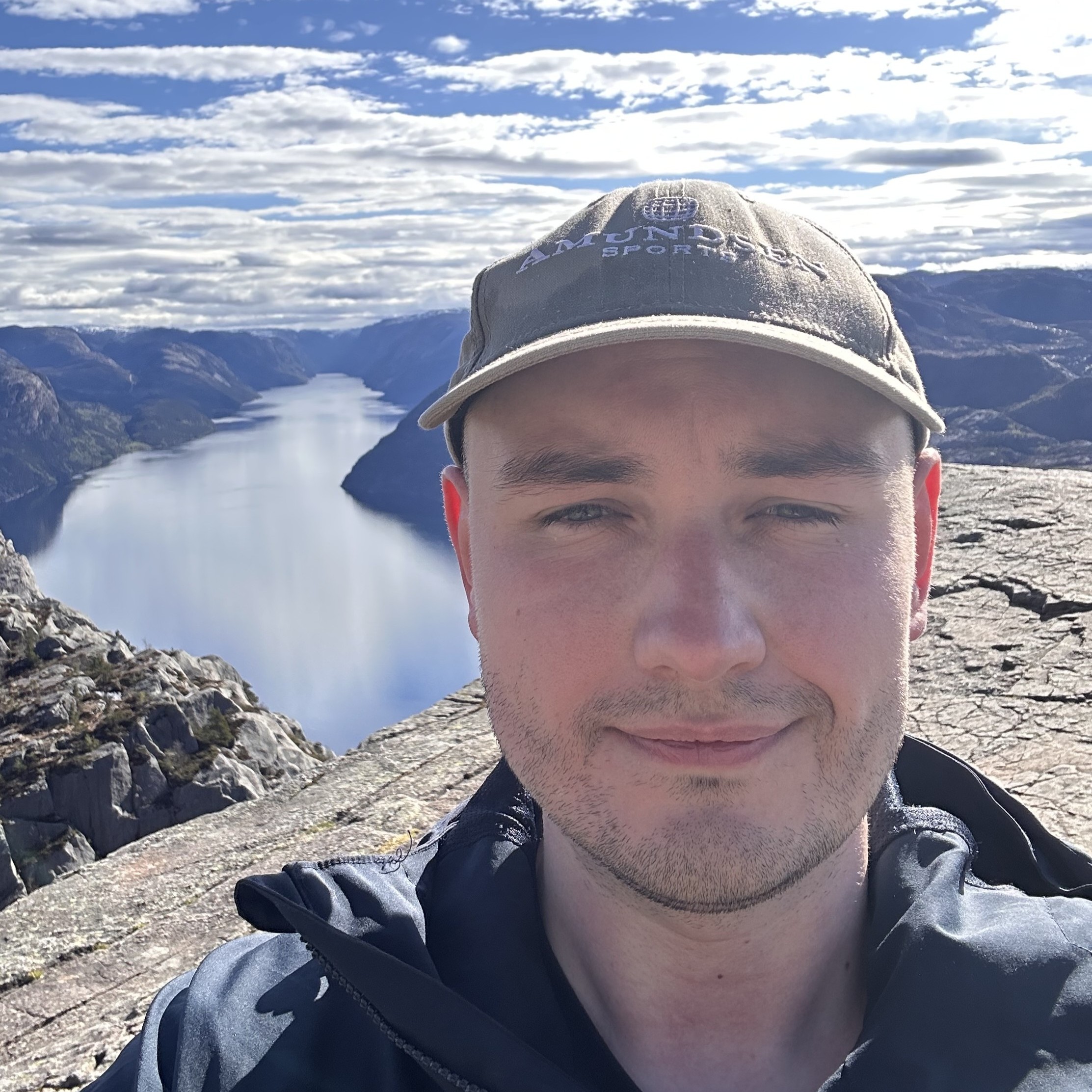
Gregory
Postdoc
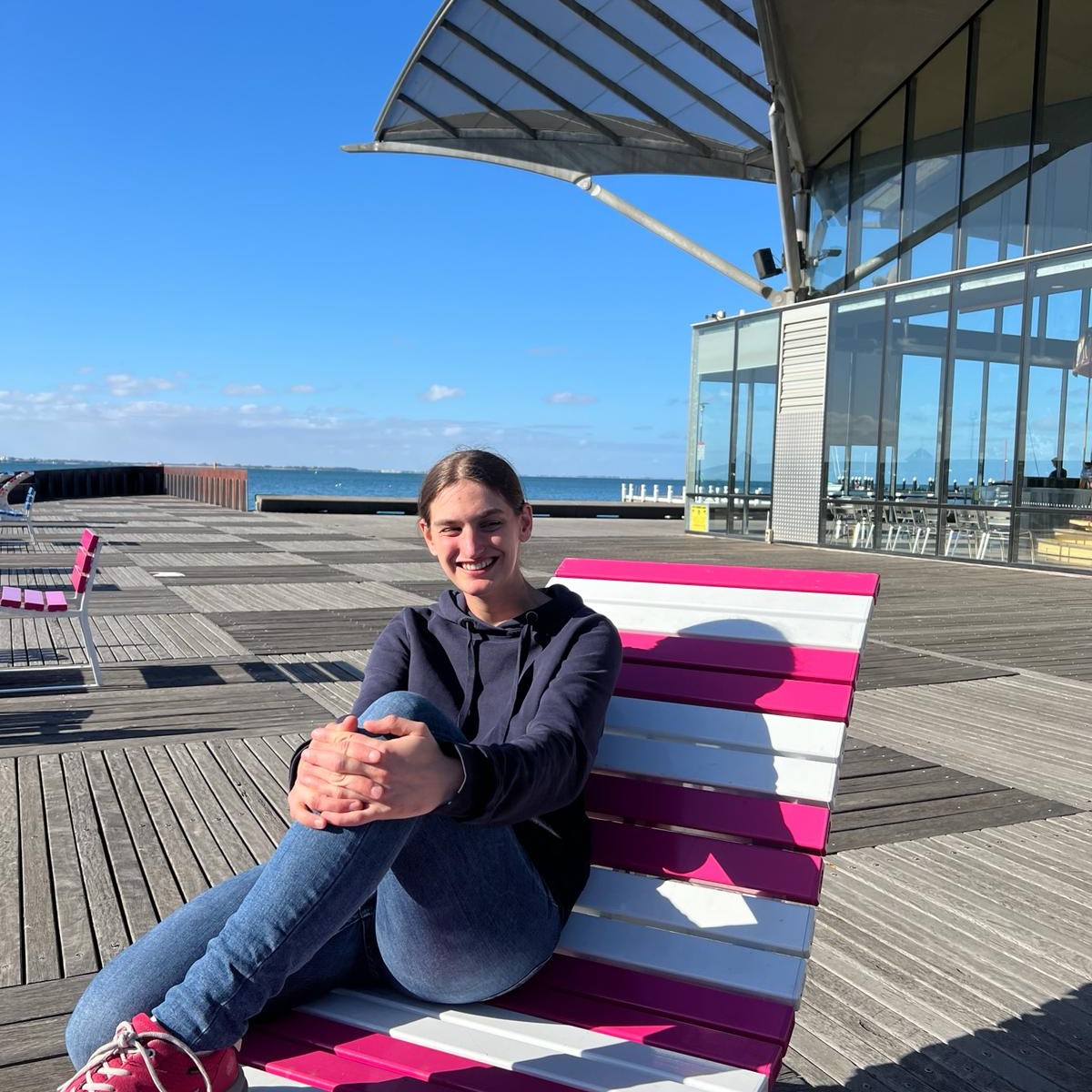
My research focuses on structural transformations in inorganic materials—such as glassy alloys, magnetic metals, and relaxor ferroelectrics—as examples among a broader range of systems. These transformations can be driven by the high-energy electron beams in the TEM, all the while allowing me to study the kinematics of their phase transitions and uncover the pathways from order to disorder. I also work on advancing methods in 4D-STEM, emphasizing both data acquisition strategies and post-data processing to extract meaningful insights from complex datasets.
Rebekka
AC-TAP
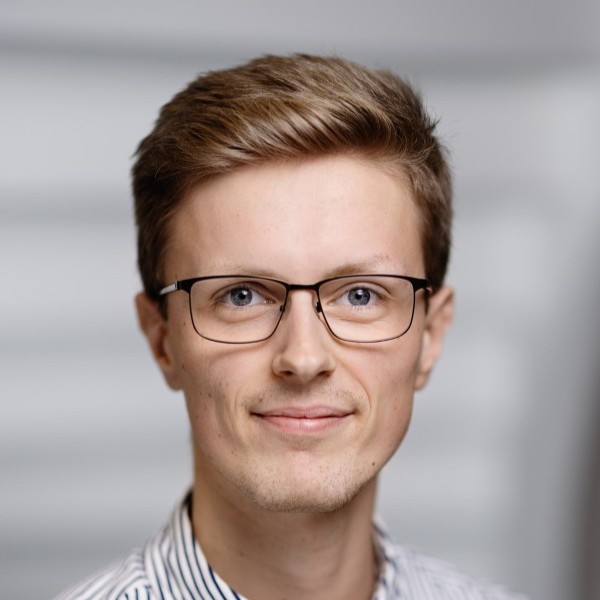
My main tasks involve training new users at electron microscopes, helping researchers and students unlock the full potential of this powerful technology, assisting research projects within our group, and ensuring the smooth operation of our electron microscopy facility. With a background in materials science and physics, my research focuses on advancing electron microscopy methods, particularly in the study of disordered materials. During my PhD, I developed electron microscopy-based approaches to explore the complex structures of disordered carbons and other materials, contributing to a deeper understanding of their properties and applications.
Rasmus Rohde
PhD student
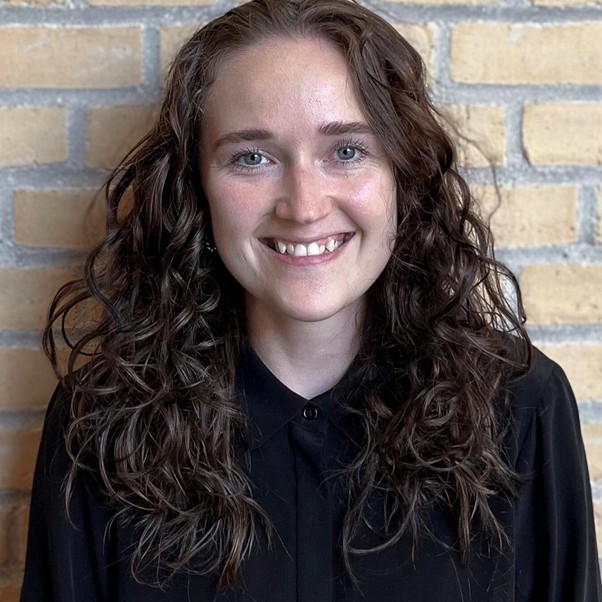
I investigate catalysts for renewable fuel production from biomass waste such as sewage sludge or wood chips. This is part of the HyProFuel project – a collaboration between TOPSOE A/S, other companies and academia. To examine the catalysts, I make use of several powerful characterization techniques such as synchrotron-based X-ray tomography and of course electron microscopy. Being a main developer of NP-SAM and eeee, I also have a large interest in machine learning and developing Python code that can ease the analysis of scientific datasets.
Krestine
Industrial PhD student
My research aims to develop methods for elucidating the structural nature of stone wool fibers on multiple length scales in order to investigate structural changes between fibers produced with different melting technologies and the fire properties during heating (as in a house fire). As an industrial PhD, I collaborate with the Danish company ROCKWOOL A/S, that produce stone wool for housing and building insulation purposes. By using X-ray techniques such as total X-ray scattering with PDF and X-ray absorption spectroscopy (XAS) combined with electron microscopy techniques such as focused ion beam scanning electron microscopy (FIB-SEM), insights into the structure of stone wool fibers can be obtained. To dive deeper than ensemble average structure from X-ray methods, I have made thin TEM lamellae cross sections of individual fibers with FIB-SEM to study the structure spatially resolved.
Bettina (AIG image)
PhD student
My research focuses on the development of novel electrode materials for rechargeable Li and Na ion batteries. I am particularly interested in understanding the structural evolution of these materials during electrochemical cycling, i.e. during use. To investigate these changes, I employ a range of characterization techniques, including ex situ and operando PXRD, total scattering and PDF analysis, as well as TEM. The materials I study often undergo varying degrees of structural disorder during cycling, and I aim to elucidate these transformations using advanced TEM methods.
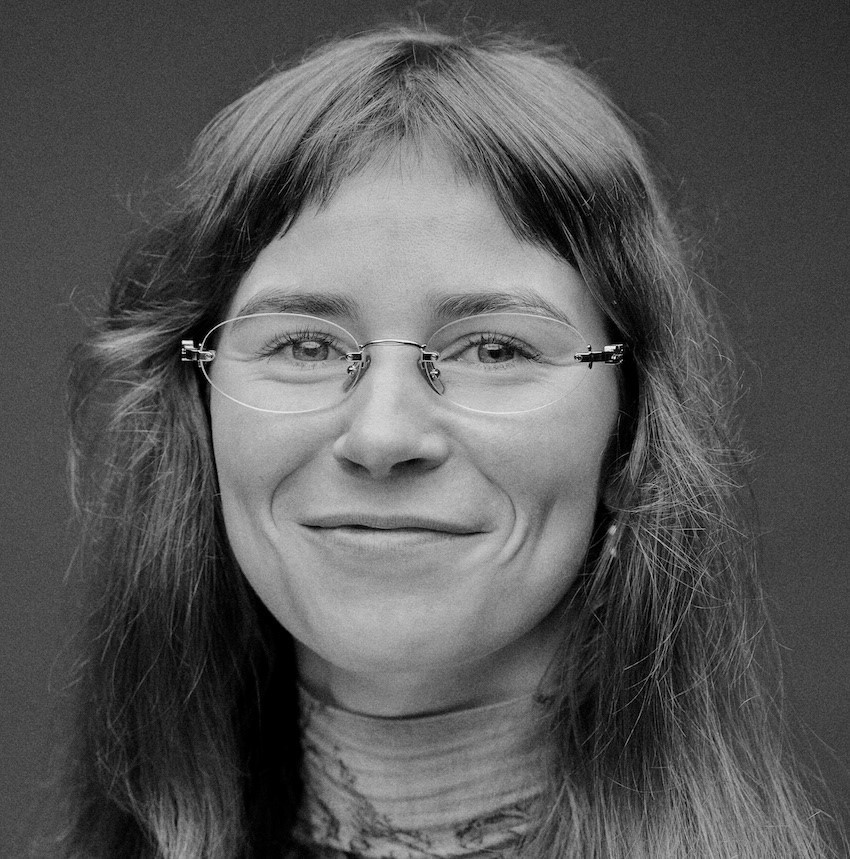
Sara Frank
Postdoc
My research aims to elucidate the synthesis–structure–function relationships of polyoxometalate (POM) clusters in their application-relevant non-crystalline states (solution, amorphous solids, or immobilized on surfaces). To achieve this, I combine advanced electron microscopy, including 4D-STEM, PADF, and cryo-EM, with X-ray techniques such as XAS and TS/PDF, to directly observe POM clusters in their active state. By uncovering how POM geometry, local atomic arrangement, and structural isomerism influence properties, I hope to guide the rational design of non-crystalline POMs for applications in catalysis.
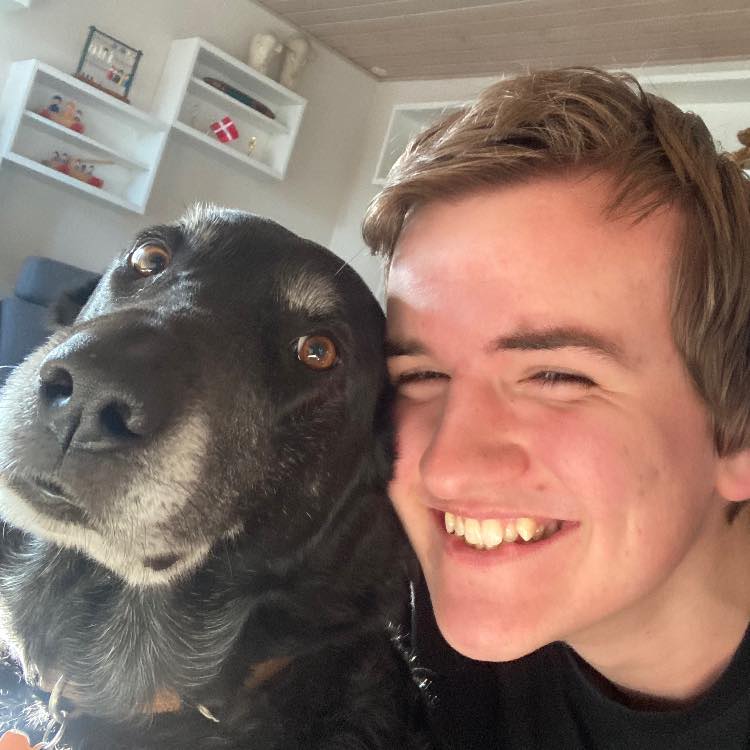
Martin
Project student
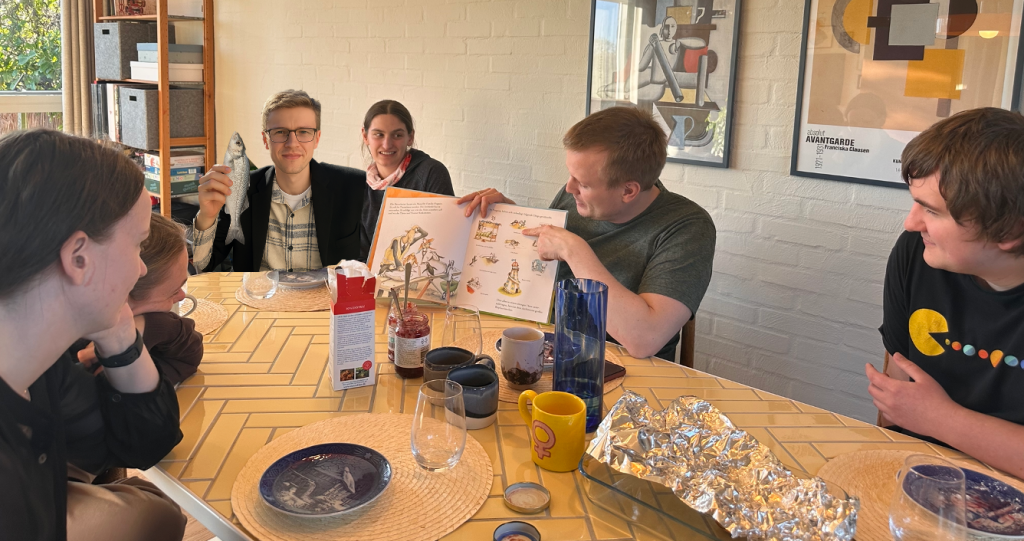
I’m Martin (on the right), a bachelor’s student currently completing my thesis with the DISORDER research group. My project integrates nanoscience, physics, and computational methods, focusing on the development of Python algorithms for detecting and quantifying extended defects in 4D-STEM images of nanoparticles.
Alumni
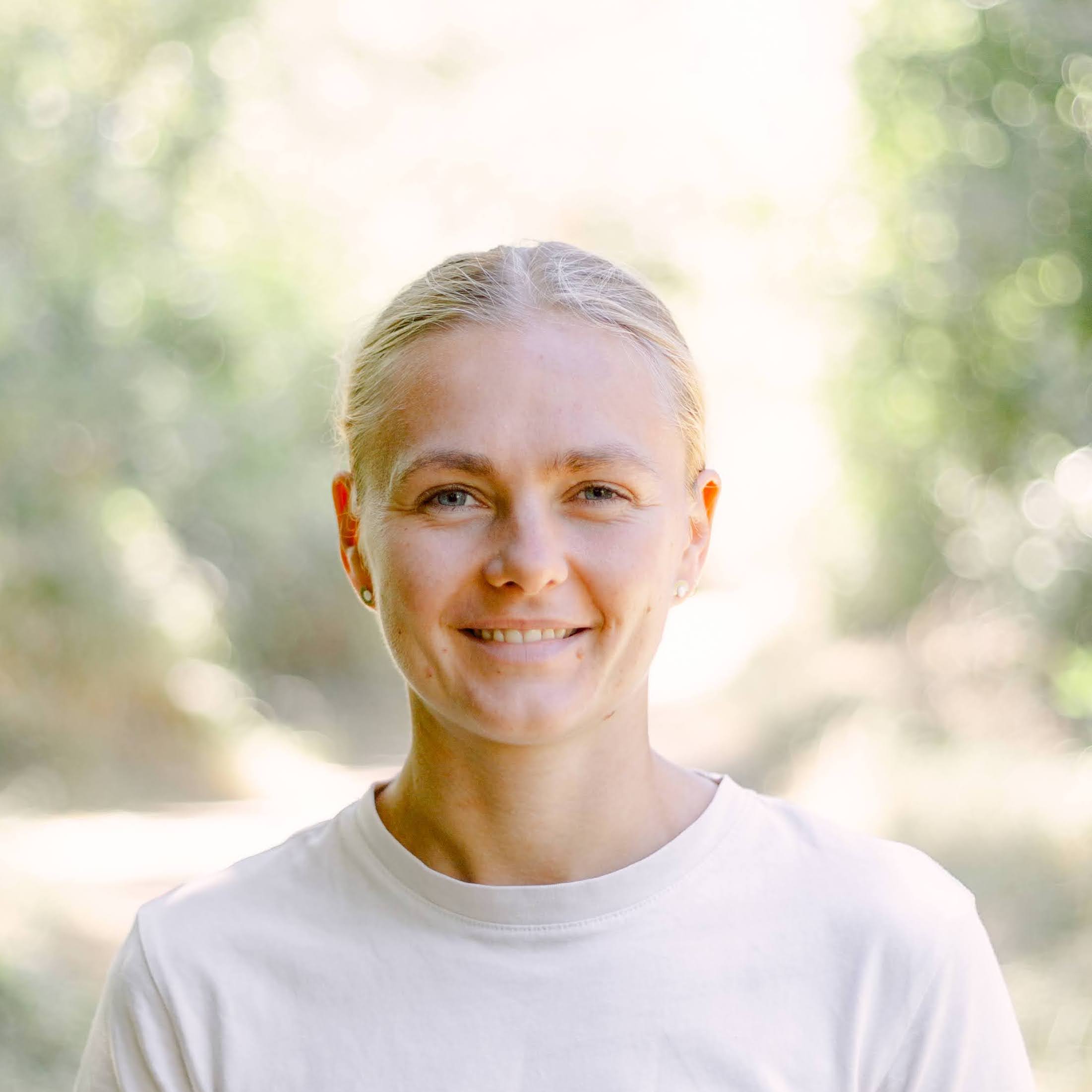
Emilie
MSc
I specialized in computational work, focusing on data analysis and method development using Python. With a background in nanoscience, my Master’s project has centered on creating a computational framework for the automated and agnostic quantification of defects in nanoparticle STEM and 4D-STEM data. I’m particularly fascinated by the power of computational methods—especially machine learning—to tackle challenges that were once considered unsolvable. I enjoy exploring innovative approaches to problem-solving, whether that involves combining existing models or developing entirely new ones.
 DISORDER Group