

Recent Highlights
-
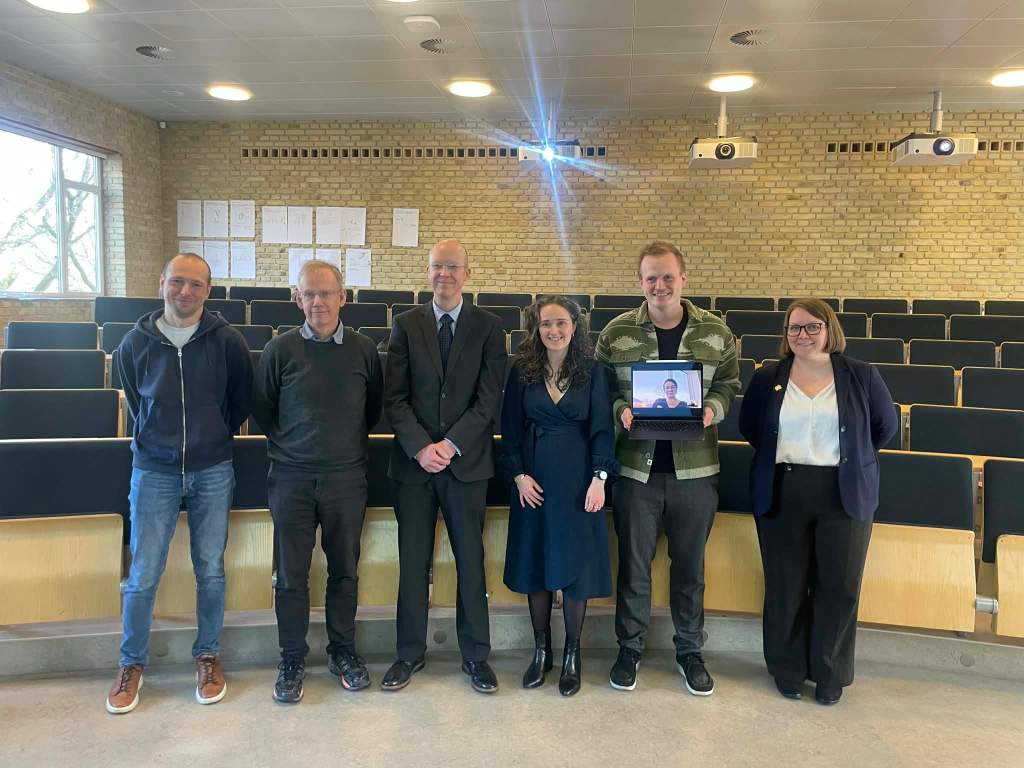
PhD defence – Krestine Hofstedt Rasmussen
On Monday the 9th of March 2026, Krestine Hofstedt Rasmussen successfully defended her industrial PhD. The work was a collaboration… Read More
-
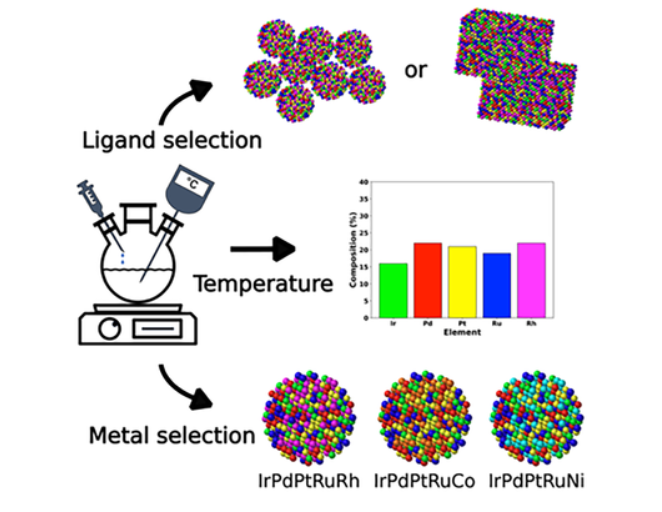
New paper: Exploring the Parameter Space of Colloidal High-Entropy Alloy Synthesis Methods
High-entropy alloys (HEAs) continue to gain attention as complex multimetallic systems with promising applications, though their synthesis remains challenging due… Read More
-
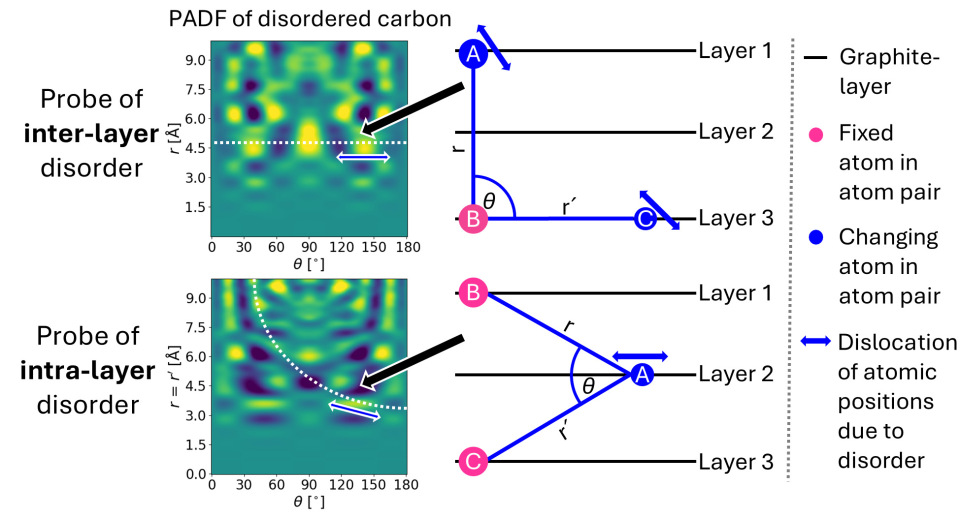
New paper: Disentangling Intra- and Interlayer Disorder in Disordered Carbons via Pair-Angle Distribution Function Analysis
Disordered carbons are important in various applications vital for the green transition. However, investigating their atomic structure can be challenging… Read More
-
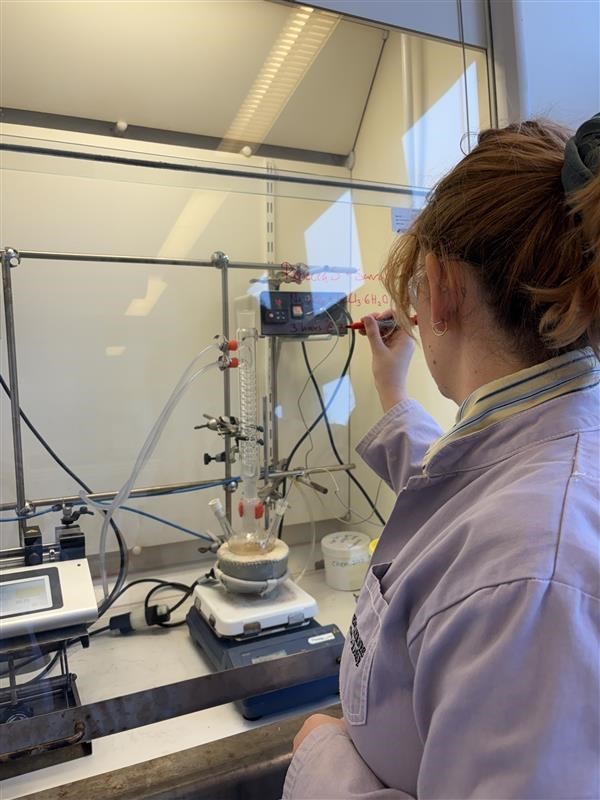
Synthesis trip to Copenhagen
In November, postdoc Sara Frank visited the Nanostructure Group at the University of Copenhagen, led by Kirsten Marie Ørnsbjerg Jensen,… Read More

